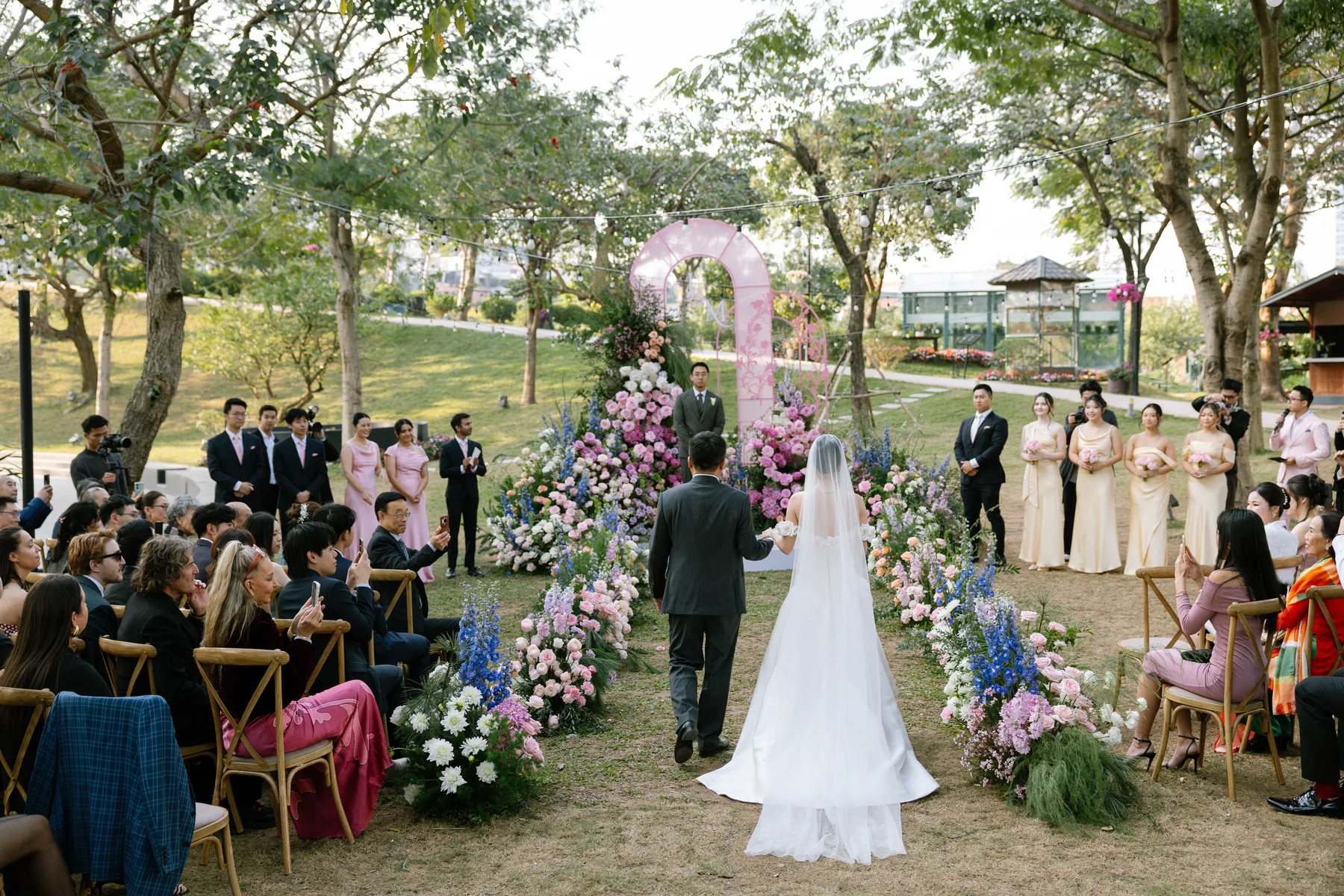
Matthew
& Bảo Anh
A wedding that moved through family traditions, bilingual hosting, personal vows and celebration — while keeping one consistent hosting voice.
A wedding is rarely just one ceremony.
Different parts of the day can call for very different tones. The host’s job is not to make them sound the same — it is to make them feel like they belong to the same wedding.
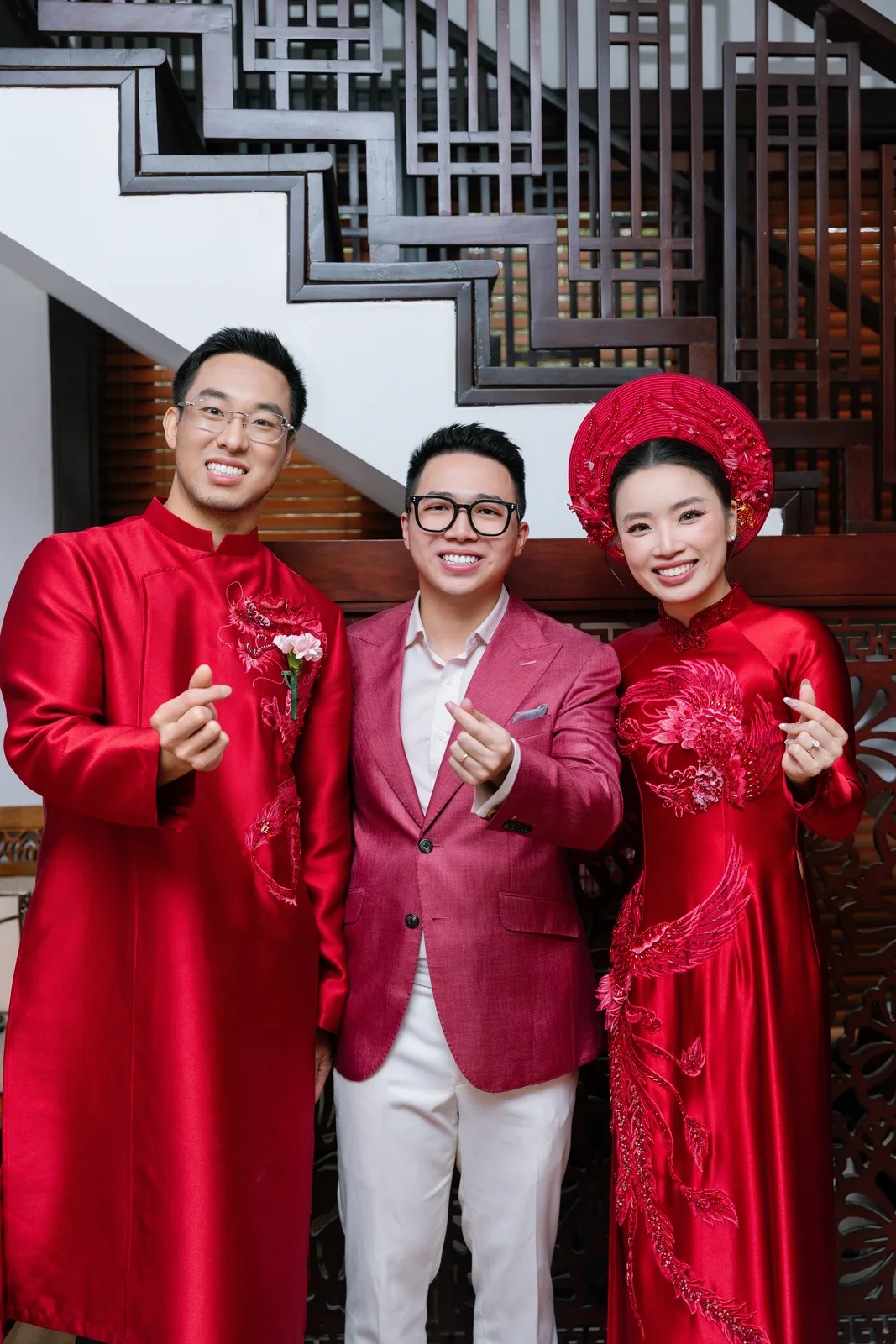
Respect the structure.
Keep it human.
Traditional family moments need clarity and respect, especially when Vietnamese and English are both present. The language should help everyone follow the ritual without over-explaining it.
Explain enough
for everyone to follow.
The language may change, but the ceremony should still feel natural. The goal is to help guests understand where they are in the ritual — then return the focus to the family.
A quieter room needs a quieter host.
The hosting shifts again when the wedding reaches a personal vow moment: fewer words, more space, and a quieter pace than the family ceremony that came before.
Tradition can sit beside a modern wedding.
The point is not to choose between traditional and modern. The wedding can move comfortably between both.
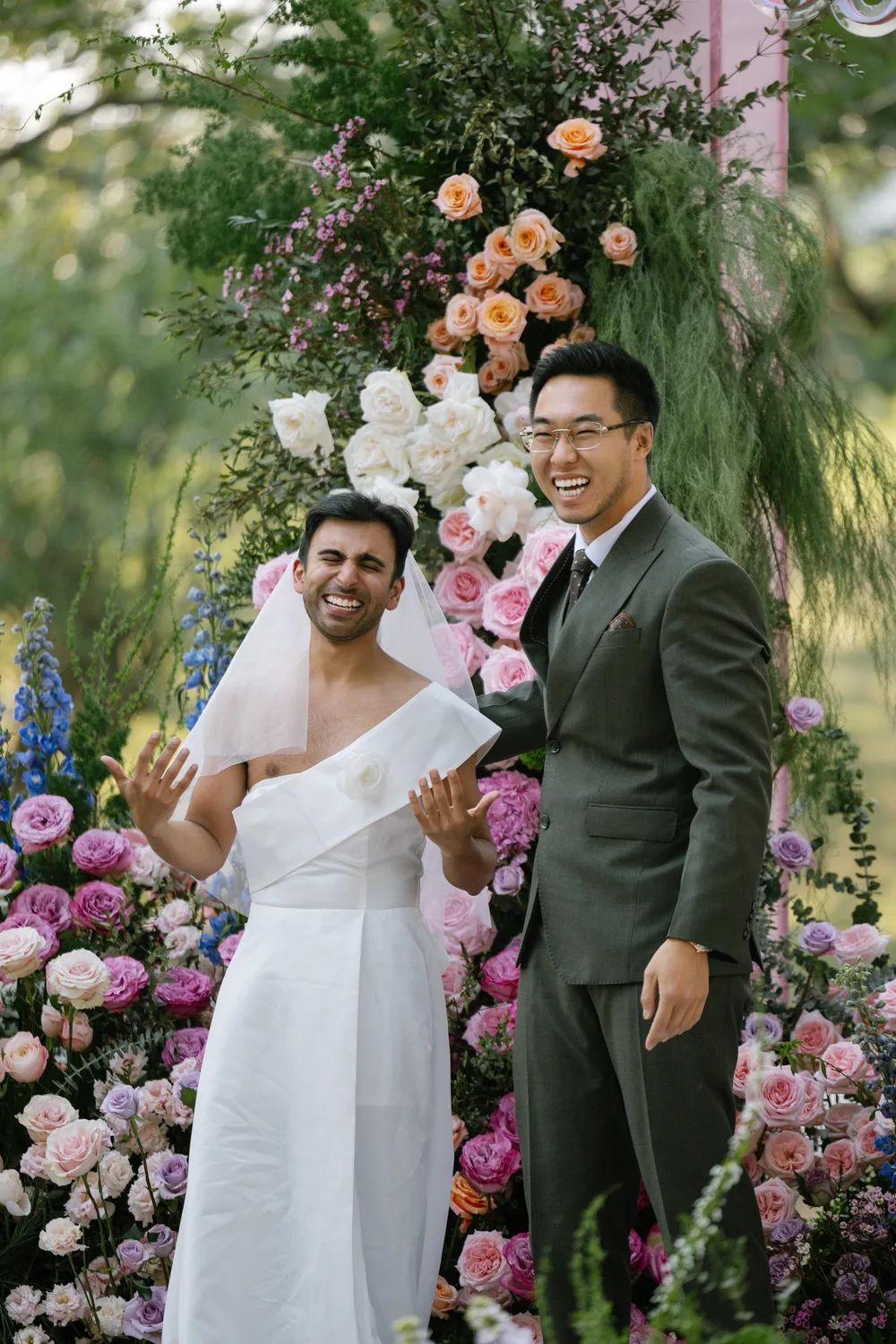
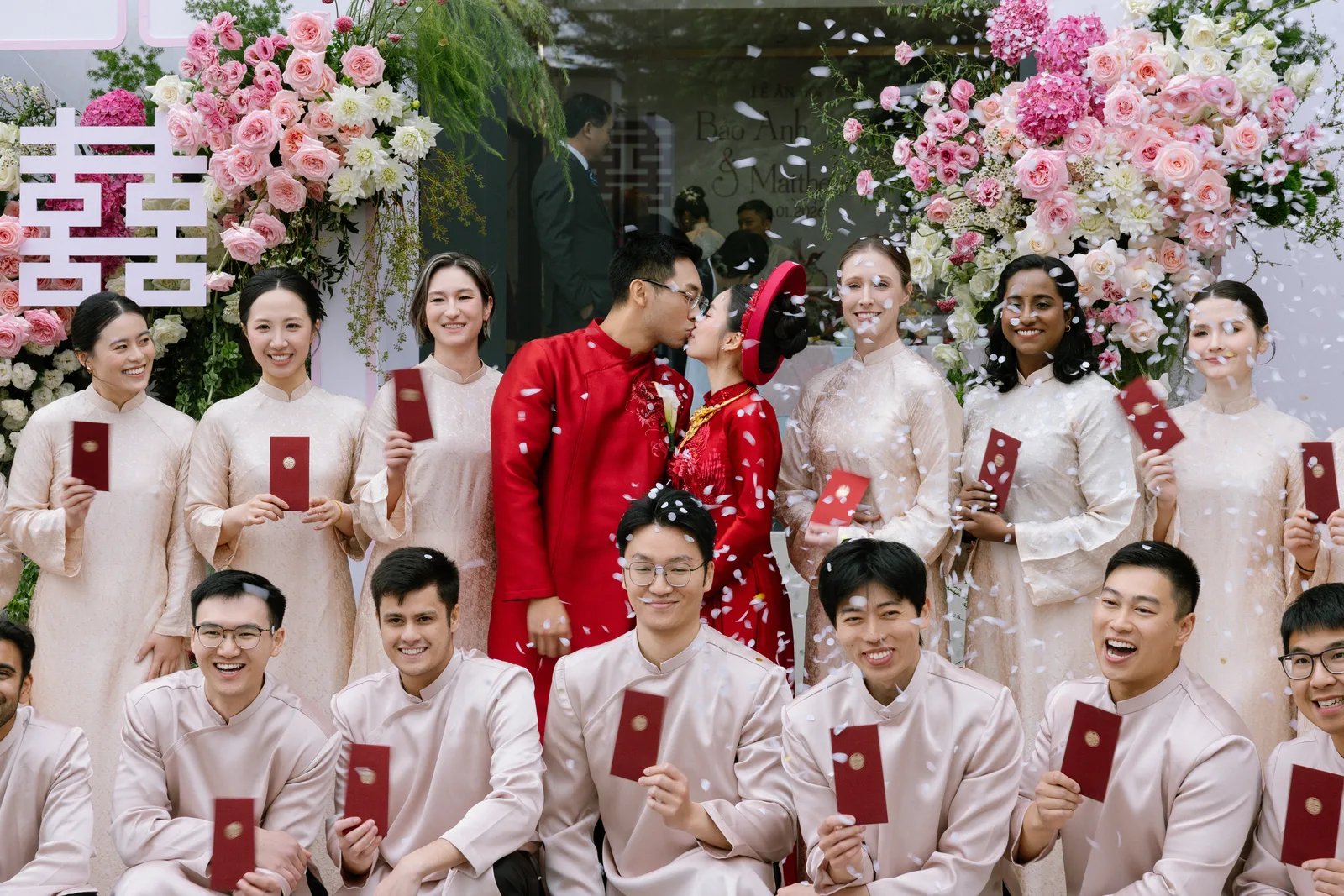
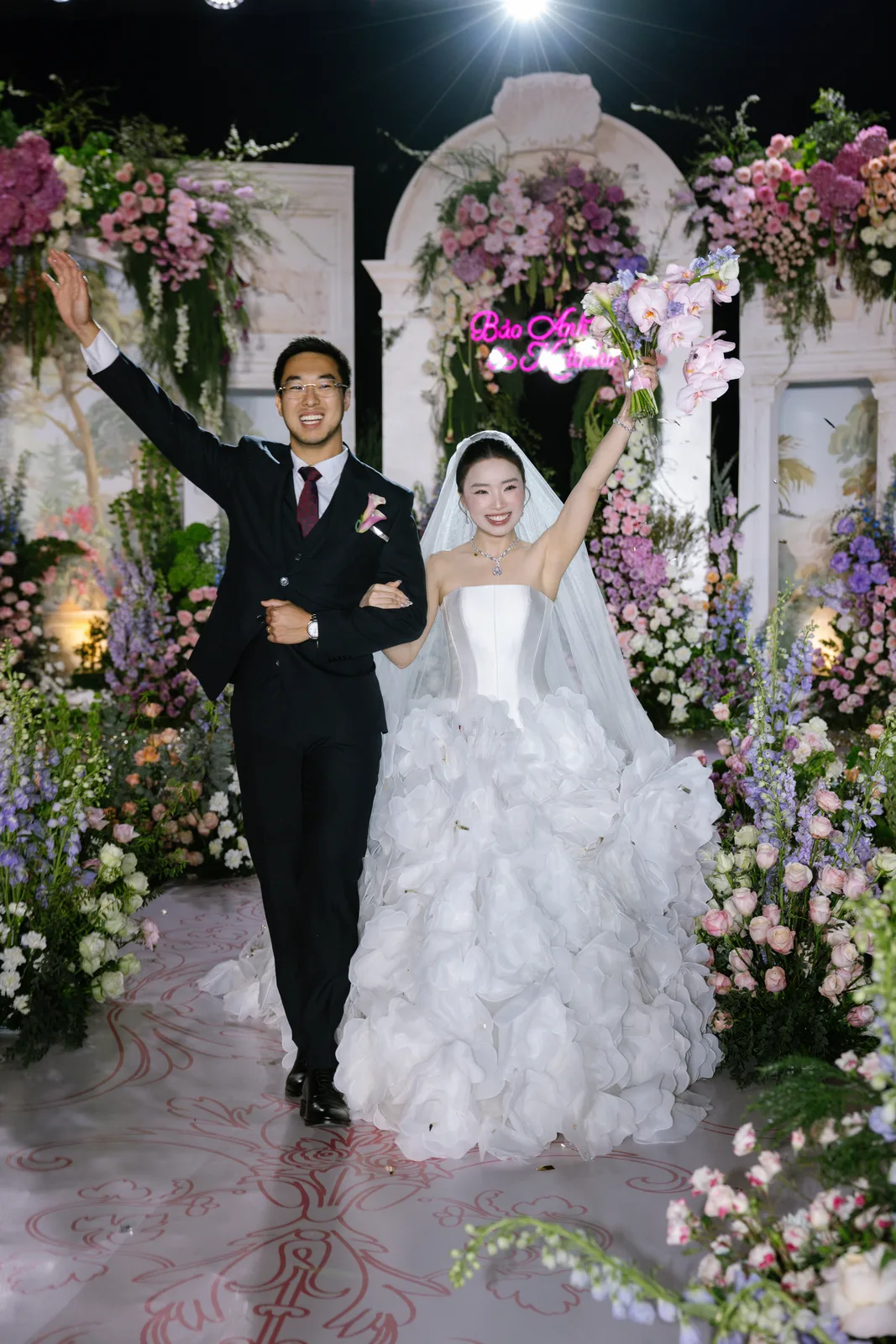
The room should feel included — not managed.
One useful measure of good hosting is what guests remember afterwards: whether they understood what was happening, felt comfortable joining in, and stayed connected to the couple rather than the programme itself.
Different formats.
One wedding voice.
Family traditions, vows and celebration can each have their own tone without feeling disconnected.
Next story · Isaac & Trà My →